How to Choose a Cement Pipe Making Machine for Your Production Line
Choose a cement pipe making machine by matching its forming method and tooling to your required pipe dimensions, reinforcement, joint design, production volume, and local quality requirements. Then check the complete production line—not just the main machine—including concrete preparation, molds, curing, handling, utilities, installation, and operator training. At Weiziman, we recommend sharing these details before requesting a quotation so a supplier can assess the configuration against your actual products and operating conditions.
For more information, please visit our website.
Start With Your Production Goal
The right machine is the one that can make your planned pipe products consistently within your available space, workforce, and production schedule. Begin by defining what you intend to manufacture and who will buy it, rather than selecting equipment based on a headline capacity figure. This gives you a practical basis for comparing machine types and supplier proposals.
Define the pipe range and end requirements
List the inside diameter, pipe length, wall thickness, and joint profile required for each product. Note whether pipes are plain or reinforced, and identify any project specifications, applicable standards, or customer inspection requirements that the finished products must meet. Requirements can vary by market and application, so confirm them with your buyer or project engineer instead of assuming one specification applies everywhere.
For initial planning, you might use a 600 mm nominal-diameter pipe as an example product and then verify the actual dimensions and tolerances in the relevant specification. This is an illustration, not a recommended machine limit or a claim about a particular machine model. Your supplier needs the full product drawing or specification to confirm whether the proposed machine and mold set are suitable.
Estimate realistic output
Translate sales forecasts into a production plan that accounts for changeovers, maintenance, labor, material supply, and curing or storage time. For example, an 8-hour shift is a useful planning scenario, but it does not mean the machine will produce at its maximum rate for all 8 hours. Ask suppliers to explain the assumptions behind any quoted output, including pipe size, product type, operating pattern, and included equipment.
Use a monthly demand example, such as 1,000 pipes, only as a planning input—not as a guaranteed production target. Work backward from that demand to estimate the required operating days and shifts, then check whether the material handling and curing areas can support the schedule. Make sure the calculation uses the mix of sizes you expect to sell, since changing molds and product dimensions can affect production planning.
Choose a Forming Method That Fits the Product
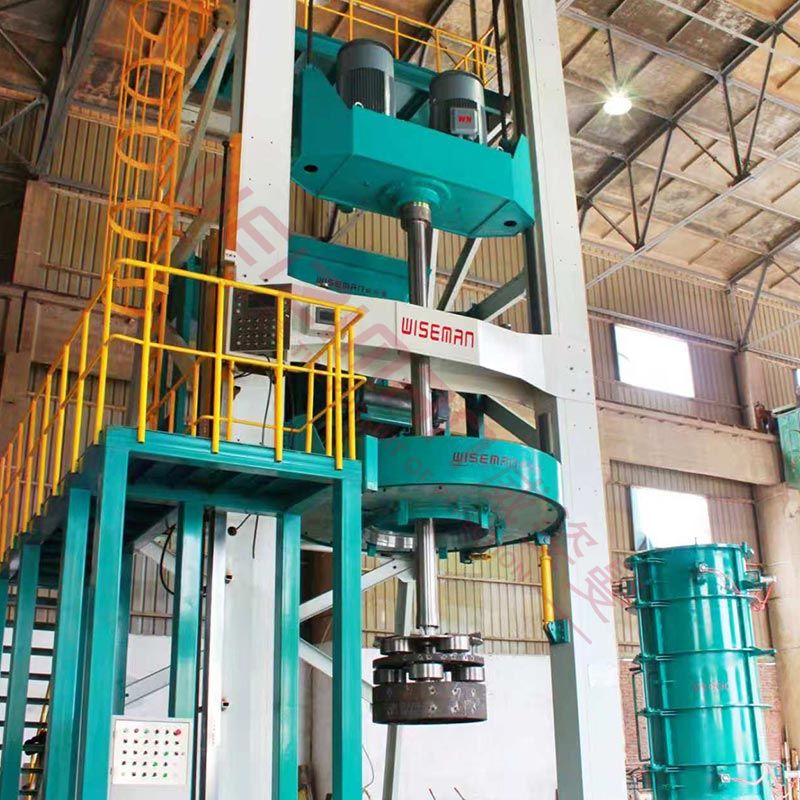
Cement and concrete pipe machines use different forming approaches, and machine names can vary between manufacturers. Common configurations include vertical vibration or compaction systems and horizontal roller-suspension systems. The best fit depends on the pipe design, reinforcement, production method, available floor space, and the supplier’s proven configuration for your required products.
Compare machine types through product trials and specifications
Ask each supplier to identify which pipe sizes, lengths, joint profiles, and reinforcement arrangements the proposed setup is designed to handle. Request details about the molds and tooling included, as well as the practical process for changing between product sizes. If possible, review a sample production plan or arrange a product trial using specifications close to your intended range.
Do not compare machines only by motor power or a single capacity figure. Check the forming cycle, mold change requirements, concrete feed arrangement, compaction method, and how the pipe is removed and transferred. These details affect the whole production workflow and help you determine whether quoted performance assumptions are realistic for your operation.
Follow a Step-by-Step Selection Process
Prepare a product schedule. List pipe dimensions, joint types, reinforcement needs, and expected demand for each product.
Confirm the production method. Ask suppliers to recommend a forming approach and explain how it fits your products and factory conditions.
Specify the complete line. Identify what is included for batching or concrete supply, molds, handling, curing, and finished-product storage.
Check site readiness. Provide the factory layout, available floor area, power supply, lifting equipment, and access details.
Review service and operating needs. Confirm installation scope, training, spare parts, maintenance guidance, and remote or on-site support options.
Compare written quotations. Check that each proposal uses the same product assumptions and clearly states inclusions, exclusions, and delivery terms.
Evaluate the line, not just the machine
A production line may require separate equipment for batching, mixing, feeding, mold preparation, pipe handling, and curing or storage. The exact configuration depends on the selected process and your existing facilities. Ask the supplier to mark the boundary of supply clearly so you know which equipment, installation work, and site services remain your responsibility.
You will get efficient and thoughtful service from Weiziman.
Review the movement of materials and products through the factory. A machine may fit the available floor area while the full process does not, especially when mold storage, forklift access, lifting operations, or curing space are overlooked. Share a layout drawing early and ask the supplier to identify space, foundation, and utility requirements for the proposed configuration.
Key Decision Points Before You Buy
Product flexibility and tooling cost
If your market requires multiple diameters or joint designs, ask how many molds are needed and how product changes are performed. Confirm whether molds are included in the initial quotation, priced separately, or available as future options. A lower equipment price may not represent a lower total investment if essential tooling and handling equipment are excluded.
Quality controls and technical documentation
Ask how the supplier defines and checks machine performance, and what operating parameters your team will need to control. Request relevant technical documents, equipment drawings, recommended maintenance intervals, and a clear list of the product information required for final design. Product acceptance should be assessed against your customer’s specifications and applicable local requirements, not an unsupported general promise from a seller.
Installation, training, and after-sales support
Confirm what the supplier provides for commissioning, operator training, troubleshooting, and spare parts. Ask which services are included in the offer, what travel or installation costs may apply, and how technical support is delivered after shipment. A clear support plan helps your team prepare for installation and reduces uncertainty when planning production start-up.
Common Selection Mistakes to Avoid
Buying on capacity alone: A headline rate may not reflect your product mix, shift pattern, changeovers, or curing constraints.
Ignoring reinforcement and joint details: These can affect tooling and machine configuration, so provide drawings or specifications before final selection.
Leaving out auxiliary equipment: Missing mixers, molds, handling systems, or storage arrangements can delay a line that otherwise appears complete.
Comparing different quotation scopes: Normalize inclusions, installation, shipping terms, and support before judging price differences.
Assuming a machine suits every market: Confirm product dimensions, acceptance criteria, and local requirements for your intended sales area.
Improve Your Production Plan Before Requesting a Quote
Prepare a concise inquiry package with product drawings, a size and volume schedule, reinforcement details, preferred joint designs, and your expected production pattern. Add your factory layout, available utilities, and any existing equipment that you want to reuse. This gives suppliers a more consistent basis for recommending a machine and identifying gaps in the proposed line.
When comparing proposals, use the same questions for every supplier: Which products can this configuration make? What tooling and auxiliary equipment are included? What site conditions are required? What installation, training, spare parts, and documentation are provided? Record assumptions and exclusions in writing so you can compare scope rather than relying on an unclear capacity or price headline.
How Weiziman Can Support Your Equipment Selection
Weiziman works with buyers evaluating cement pipe making machinery and production line configurations. We can review your intended pipe range, production goals, factory conditions, and project requirements to discuss a suitable equipment scope. Final configuration and performance expectations should be confirmed against the detailed product specifications and operating conditions for your project.
For a focused inquiry, send your pipe drawings or dimensions, expected output by product, reinforcement and joint information, site layout, and target delivery schedule. We can use these details to clarify the machine configuration, mold requirements, line inclusions, and support scope for quotation. If some details are not finalized, identify them as provisional so they can be confirmed before ordering.
Summary and Next Steps
To choose a cement pipe making machine, first define your pipe products and realistic demand, then match the forming method and tooling to those requirements. Evaluate the complete production line, including handling, curing or storage, utilities, installation, training, and service—not only the main machine’s stated capacity. Before requesting a quotation, prepare product specifications and a factory layout, and ask suppliers to document assumptions, inclusions, and exclusions.
Your next step is to assemble the product schedule and site information, then request a configuration review based on those facts. Contact Weiziman with your requirements to discuss a cement pipe production line suited to your planned products and operating conditions.
Want more information on Cement Pipe Making Machine? Feel free to contact us.

评论
发表评论